Who Did It Best? Keeping the Lights On
Omar Torres-Kortright of the Segundo Ruiz Belvis Cultural Center has a vision for the future.
Share



As the executive director of the Segundo Ruiz Belvis Cultural Center, Omar Torres-Kortright carries the weight of the center’s legacy with courage and conviction. Part responsibility, part opportunity, his job is to make the center survive and thrive during changing, challenging times.
We hear you have a story.
The Segundo Ruiz Belvis Cultural Center is 55 years old this year, making it the longest-standing Latine cultural center in Chicago. That’s significant. The concept grew out of the activism of the civil rights movement.
There were many Latine organizations, but none really catered to the connection between Latin American and African cultural movements here in the Chicago area. Our founders wanted to create an organization that was arts focused while also being socially conscious and committed to strengthening that connection between Latinos and the African American community. That’s why we’ve always emphasized artistic traditions with African roots, like bomba, plena, salsa and jazz.
Many of our performing arts programs continue that focus on Afro-Latine culture. Today, our work is divided into two main areas. One is investing in young creatives through our apprenticeship and internship programs.
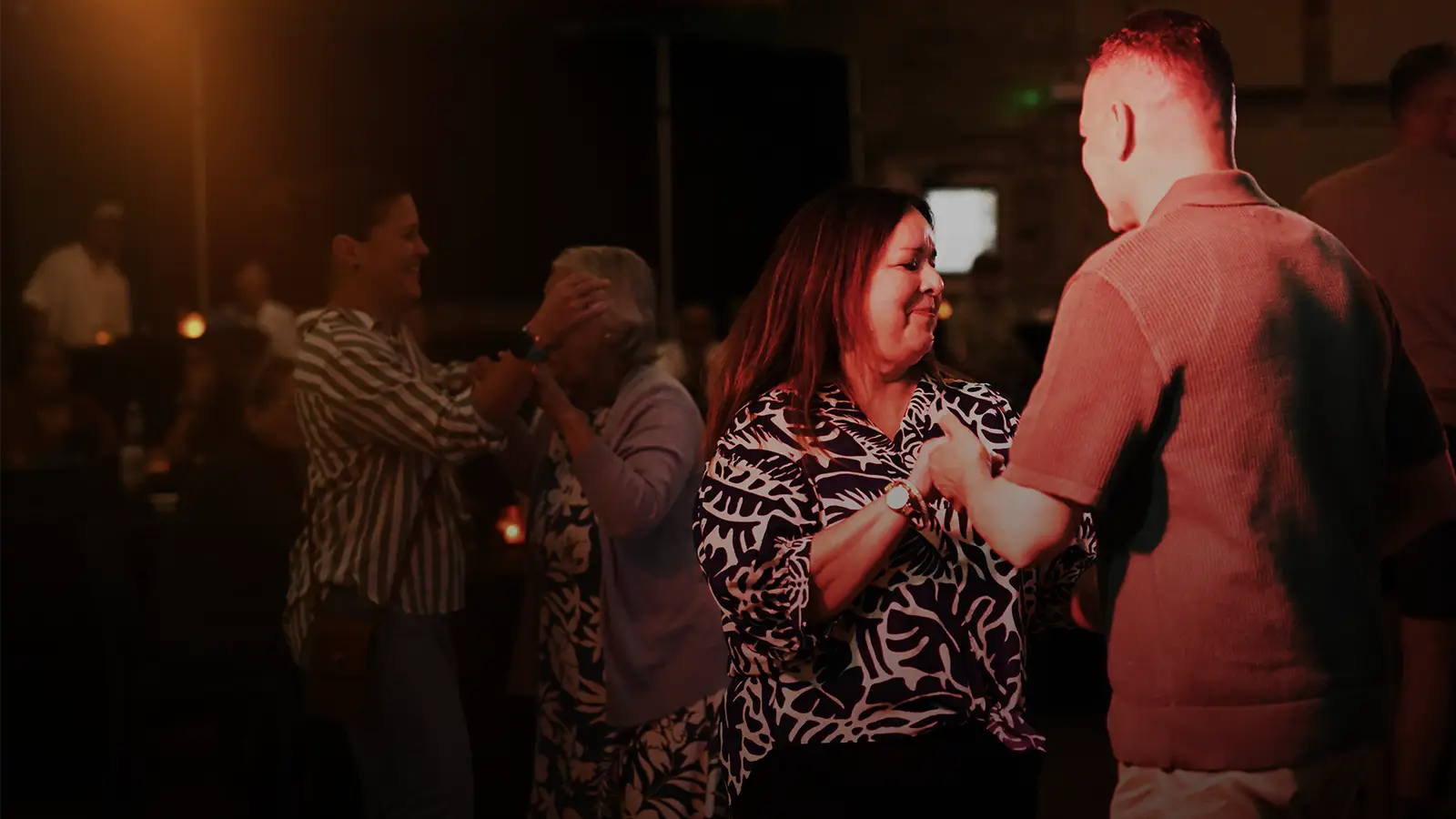
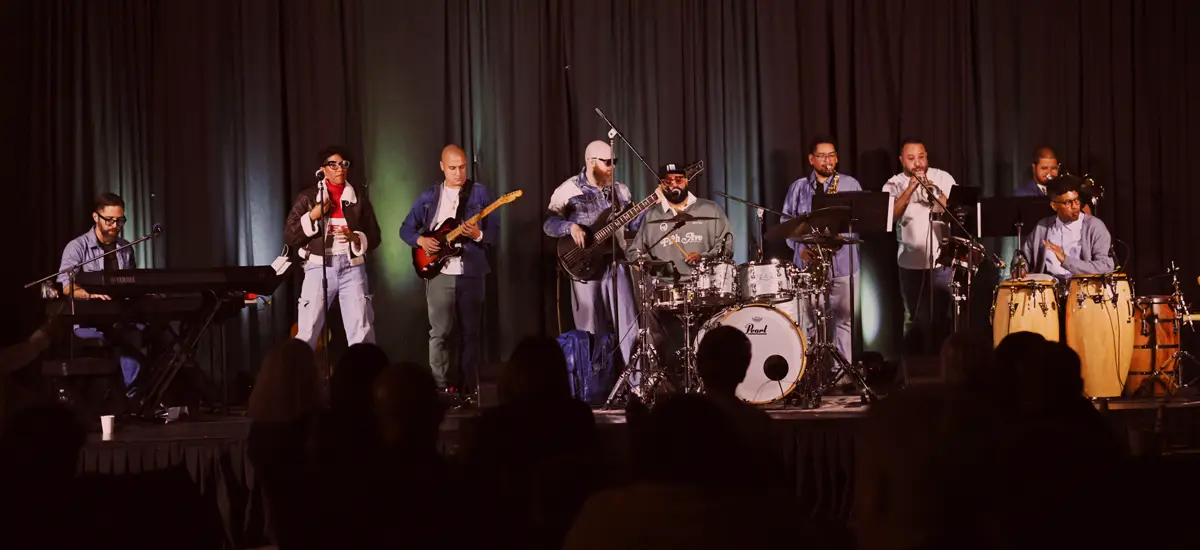
Every third Friday of the month, experienced young musicians come together in Humboldt Park’s California Clipper to perform with some of the best musicians in Chicago, including touring, Grammy-nominated and Grammy-winning artists. They’ve also traveled to Puerto Rico to perform at the Ventana al Jazz Festival.
We also support professional artists through our monthly artistic series, presenting performances that are either free or very accessible to the community. The series is multidisciplinary, featuring film, music, visual arts and many forms of performance. The space serves as an artist residence, a cultural hub and a place where both young people and professional artists can develop their craft.
When did you begin interacting with the center?
For me, it’s very personal. Because I was one of those young people 26 years ago. I had just moved from Puerto Rico and I was looking to connect with the Puerto Rican community here and with the Latine community in general. And one of the things that I really wanted to do was to play the music to learn how to play percussion from the Caribbean.
I ended up being completely embraced because I was so enthusiastic and I was so passionate about it that I got hooked. I got completely hooked. I was a young man and enjoyed my first opportunities on stage and playing in festivals.
I did that for a little bit, but then I saw that my calling was less of being an artist on stage and more being a person that helps with the production. I became a person that helps connect people, that brings the resources that are needed for the projects. So, I made a big change in my career.
I was 23 when I started, I had been in the U.S. maybe a month or two. I’ve been connected to the organization for 24 years now, with the last 11 years as executive director. I live and breathe this, you know?
That’s what everyone’s after, right? To get paid for their passion?
Yeah. I do realize that in many ways I’m happy—
When did your energy efficiency become a priority?
I do manage the lighting and I’m now looking at stage lighting. Basically, we were operating with mostly incandescent bulbs and we had these big stadium-like lights that are not really very conducive for performances.
Now we have LED fixtures and dimmers, which have introduced a completely new way of looking at the space, but more than anything the efficiency, and the fact that you’re doing something good for the planet too. You have to depend less and less on energy every day so that you can be contributing to the planet. And using as little energy as possible because everybody needs it. So, I’m very happy that we made that move, for sure.
Do you feel the money saved has empowered you a little bit?
Yeah, for sure. I know that the bills are less. We might be busier in certain months and it’s hard to put an exact number at the moment to it. But I can tell you that yes, for sure as everything else is going up, the fact that we’ve been able to contain that has been very significant.

How did ComEd step up and help?
It’s interesting because I’ve been connected to ComEd in one way or another through their community programs. We’ve done work with them for a very long time, but what kind of reminded us was this company called Verde (a ComEd Energy Efficiency Service Provider).
They approached us and asked, “Hey, why aren’t you taking advantage of these programs? This is a great opportunity.” So, basically, that was the way that I was reminded because I’ve always been connected to ComEd through other programs.
How do you juggle being an artist and being an administrator?
I very much take very seriously the work that I do as an administrator and reserve some distance between the work of the artist and the work of the administrator. But I think, yes, I have a perspective of the artist because I’ve been in that situation. Right now, I’m working on a documentary, so that’s obviously a creative process and it’s a personal project of mine. And I think that for small arts organizations, if you give up immediately because everything is telling you to give up ... the roadblocks are like coming from left and right. I think that connecting with those struggles and understanding where the artist comes from is key. And when you decide to keep going regardless, it pays off. I think that’s been the story of this organization for 55 years; if our ancestors had given up when they sent the cops because they were being too loud with their drums or they wanted to kick them out of the neighborhood, or when they experienced racism and prejudice ... they kept going. So, I think it’s that resilience that is very similar.

When your time comes, what legacy do you want to pass on to the next person?
Yeah. I think that just giving ... obviously the history is just so rich of this center. Ruiz Belvis. And the name is after an abolitionist, so that obviously means a lot. But this moment I think for small arts organizations it is just to continue their work in proper conditions. I think that there shouldn’t be a reason why artists get paid less or they’re underpaid. I don’t think that there’s a reason why teaching artists need to get underpaid because everybody’s struggling and the economy is bad. I think that we have to hold that line and in my career that’s what I’ve been trying to do is to bring the level and the standard as high as possible with the resources that we have. Even though we’re very small and have very small budgets, we prefer not to go into a project if that means that the artists are not going to get paid what they should get paid.
So, I think that level of professionalism and understanding that everybody needs to make a living is the most important standard.
By upgrading the lighting, Omar was able to save significant expenses for his organization in an environment where every dollar counts. See how you can save with energy efficient upgrades to your business at ComEd.com/BizUpgrades.